

Letters from South Asia · 02. April 2026
In recent decades, renewable energy has evolved from a purely environmental concern into a strategic instrument governing the new energy order. At the heart of this shift, the International Solar Alliance (ISA), co-founded by India and France in 2015, functions as the primary organization driving this transition by accelerating solar power as one of the most effective solutions to address both climate change and energy security challenges.

Letters from South Asia · 17. März 2026
The Raisina dialogue, India’s flagship conference on geopolitics and geo-economics, brings together global leaders every year from multiple sectors to examine current international issues and search for ways to work together. However, the 11th edition, held between March 5 and 7, 2026, coincides with an era of global uncertainty, marked by wars, shifting political allegiances, and technological rivalry.
Letters from South Asia · 05. März 2026
Trade conflicts, hybrid warfare, and the rise of neo-plurilateral frameworks are reshaping the global order. Europe and India are now expanding their partnerships in response to the global turbulence, but from different objectives.
This article mainly explores the growing Europe-India partnership and the politics of balancing West and anti-West.
Letters from South Asia · 25. Februar 2026
At first glance, the trade agreement between the United States and India announced recently may appear to signal that both countries have resolved their diplomatic dispute. President Donald Trump has touted the move to cut US tariffs on Indian imports and to terminate punitive tariffs tied to India’s oil purchases as a big step toward resetting relations. Although India has welcomed the tariff reductions, the country has emphasized its need to protect its national interests.

Letters from South Asia · 03. November 2025
Südasien erlebt derzeit eine Phase tiefgreifender Regierungsmüdigkeit, auf die die Bürger:innen auf zwei Weisen reagieren: mit Rückzug, erkennbar an wachsender politischer Gleichgültigkeit, und mit Explosion, sichtbar in Ländern wie Nepal, Bangladesch und Sri Lanka, wo es zu rasanten, digital koordinierten Protesten kommt. Auch wenn Indien relativ stabil ist, zeigen sich zunehmend lokale Spannungen - Anzeichen, dass auch das Land Teil dieser regionalen Krise wird.

Letters from South Asia · 03. November 2025
South Asia is currently undergoing governance fatigue, with its citizens reacting in two ways: withdrawal, evidenced by civic disengagement, while explosion sees countries such as Nepal, Bangladesh and Sri Lanka witnessing rapid, digitally coordinated protests. Though relatively stable, India is facing localized tensions from communal violence, ethnic unrest and youth dissatisfaction and hence has begun to show signs of this regional crisis.
Letters from South Asia · 30. April 2025
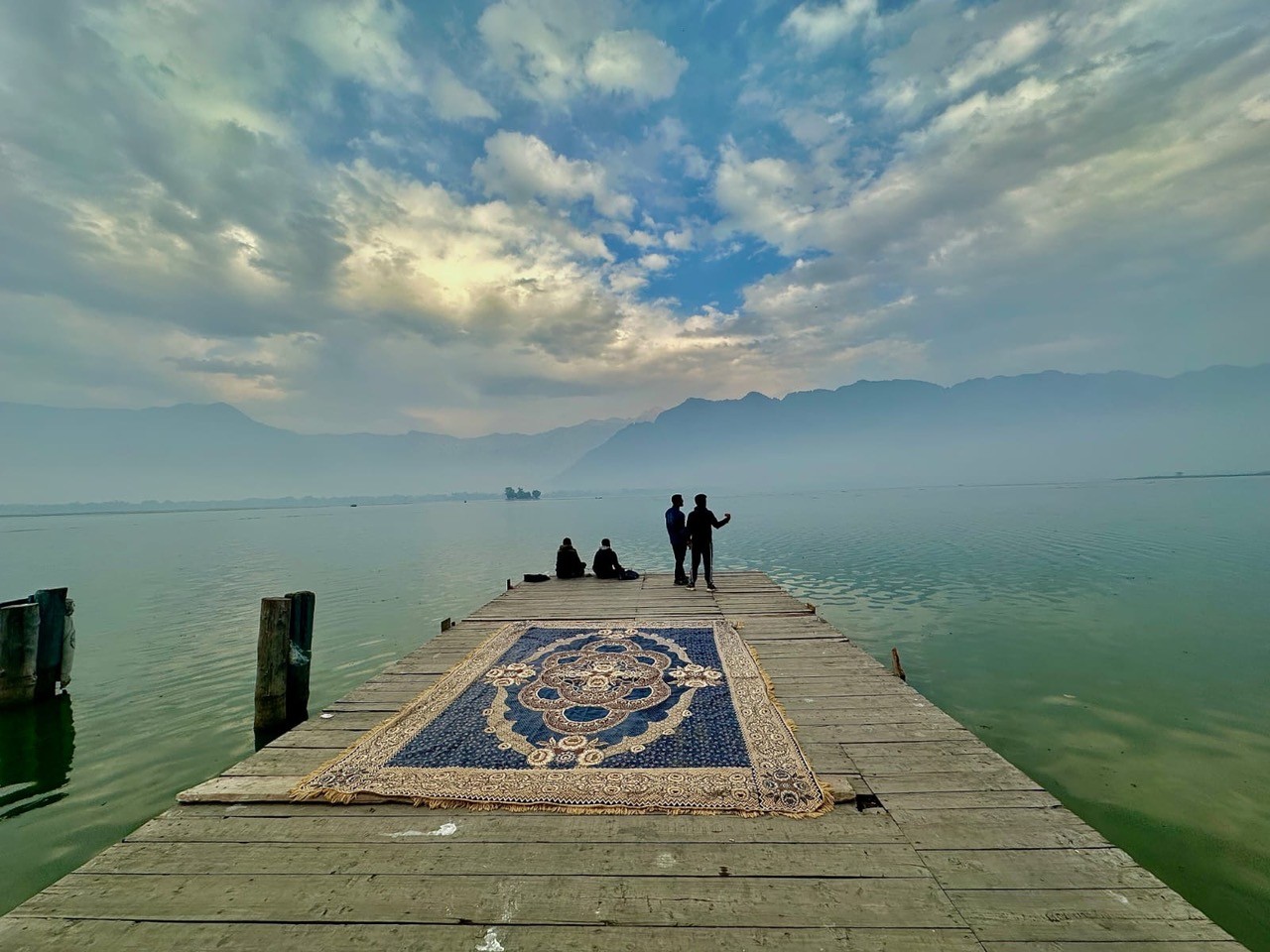
On April 22, 2025, a terrorist attack in Baisaran Valley near Pahalgam, Jammu and Kashmir, killed 26 people and injured over 20. Militants from Lashkar-e-Taiba (LeT) targeted tourists, focusing on Hindu men, and segregated victims by religion, forcing some to recite Islamic verses before executing them. According to the conversation I had with a local resident of Kashmir on April 25, 2025, this attack has deepened the fear and distrust among the local community.