

Geopolitics from below · 25. Juni 2026
There is a precise moment, within the walls of a building in the heart of the Milanese suburbs, when nine men lay out a prayer rug, transforming a tailoring workshop into a mosque for a few minutes. Prism reveals itself as a company where geographical borders blur into the rhythmic beat of sewing machines, capable of redeeming invisible talents to return them to high fashion.
Geopolitics from below · 18. Juni 2026
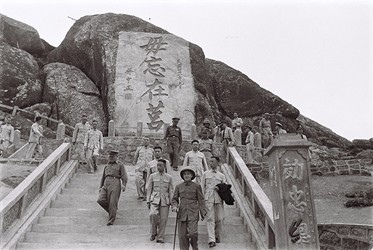
Kinmen’s Cold War is today highly visible in the island’s built and commemorative landscape. The Guningtou Battle Museum, the 823 Artillery Battle Museum, the Hujingtou Battle Museum, former tunnels, military sites, and slogans such as Chiang Kai-shek’s slogan 毋忘在莒 (Wu wang zai Ju), “Do not forget what happened at Ju,” all turn the island’s frontline past into recognisable public memory.
Multidomain · 17. Juni 2026
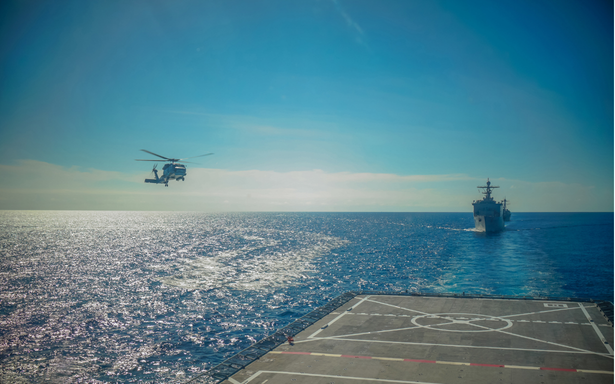
Ein punktueller, quantitativer Vergleich militärischer Stärke basierend auf den Daten des IISS «The Military Balance 2026» verdeutlicht erneut die Dominanz der chinesischen und insbesondere US-amerikanischen Streitkräfte. Die USA ist weiterhin im Vorsprung gegenüber den asiatischen Konkurrenten. Peking kann dadurch eine Aufrüstung legitimieren, um gegen die USA anzukommen und dies unter dem Narrativ der Verteidigung verkaufen.
China/Indopazifik · 15. Juni 2026
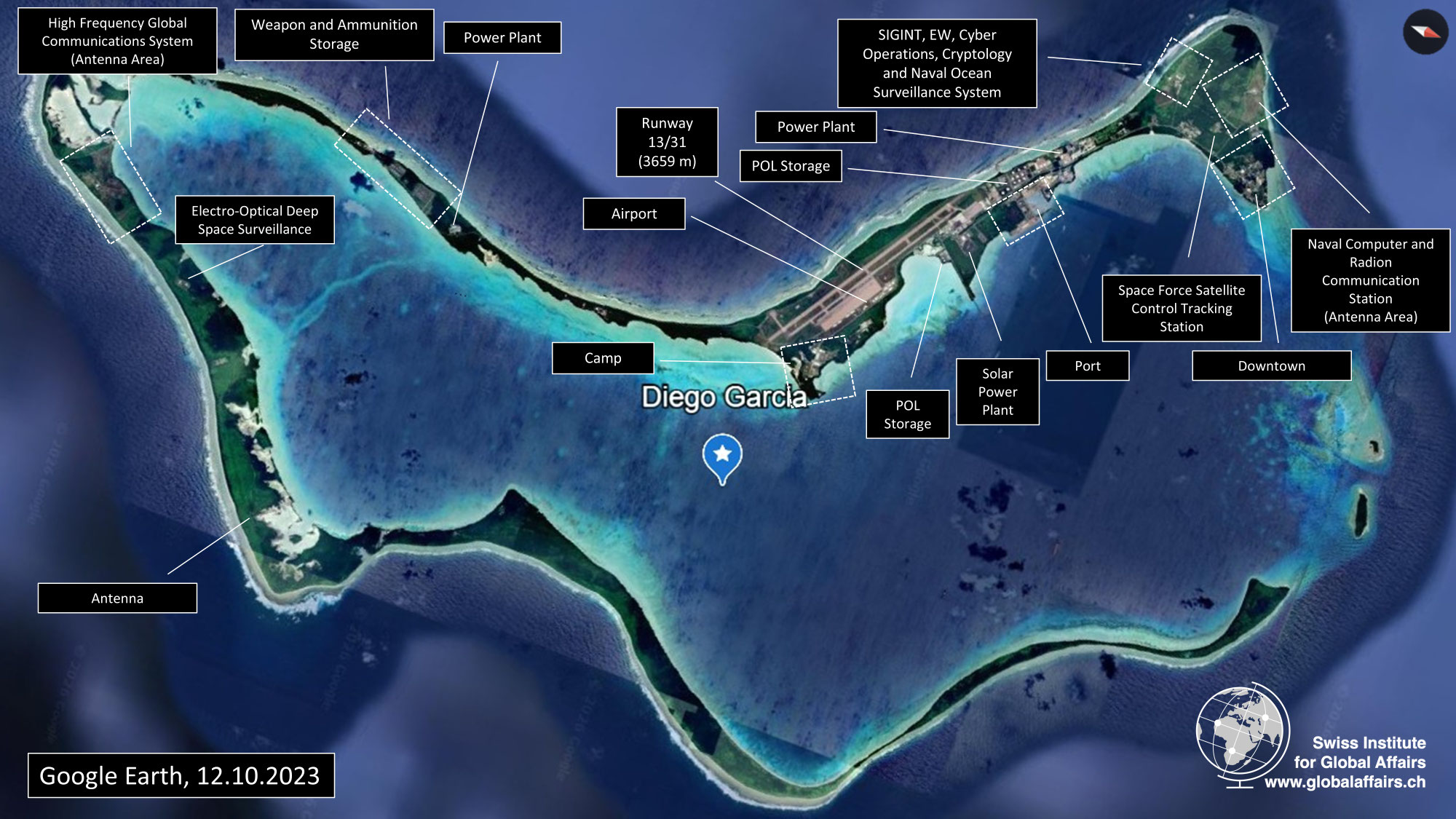
Von Gwadar über Hambantota bis Diego Garcia: Warum die Chagos-Inseln weniger über Dekolonisierung und Donald Trump aussagen als über den Aufstieg Indiens zur Ordnungsmacht im Indischen Ozean und als Raum der neuen Geopolitik.

Geopolitics from below · 02. Juni 2026
SAN RAYMUNDO (GUATEMALA). Located 45 kilometers from Guatemala City, in the rural village of Cerro La Granadilla, extreme poverty forces about half of the population to live on less than one dollar a day. A historical legacy of 36 years of civil war (which caused approximately 200,000 casualties) hinders the country's stability. Despite the 1996 peace accords, indigenous populations have historically been relegated to areas like the highlands: regions forgotten by the state.
China/Indopazifik · 21. Mai 2026
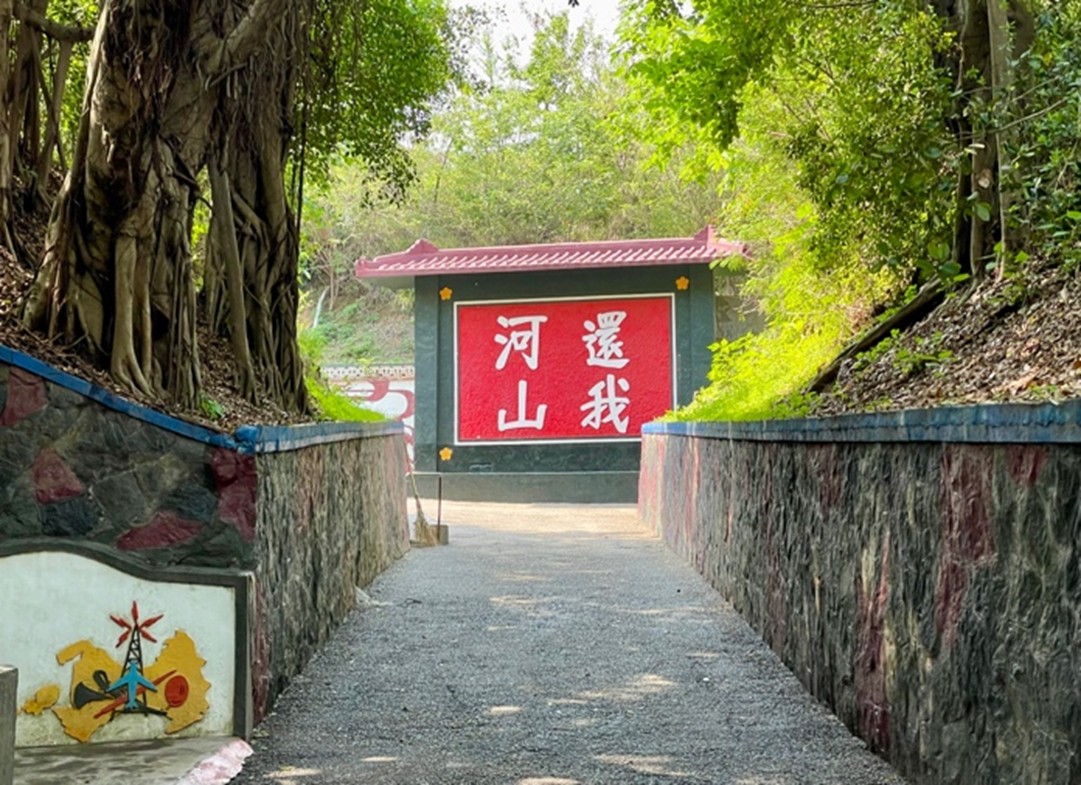
What does it mean to live on a frontline where the Cold War was heard as much as it was seen? From the early 1950s, the Taiwan Strait became a frontline of psychological confrontation, where sound emerged as a powerful medium of cross-strait communication, persuasion, and control. For nearly four decades, broadcasting campaigns between Xiamen and Kinmen produced a sustained sonic confrontation across only a few kilometres of water.

China/Indopazifik · 08. Mai 2026
As Indonesia accelerates its role in the global energy transition, its capital, Jakarta, is sinking by up to 20 centimeters per year. Between $40 billion seawalls and the mirage of a new capital in the jungle, the fate of 42 million people wavers between ecological security and social injustice.
Multidomain · 05. Mai 2026
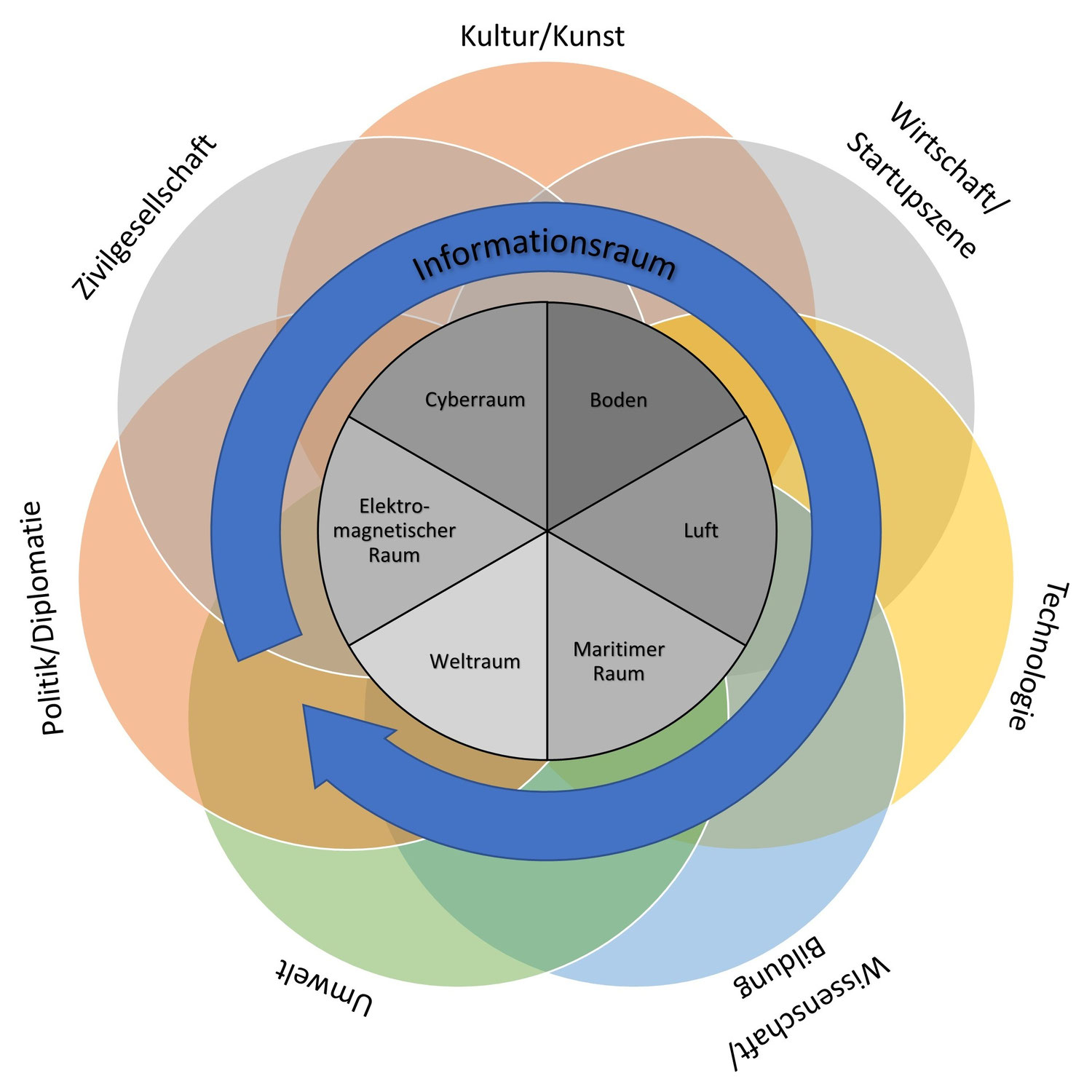
Geopolitik ist längst nicht mehr nur eine Frage von Aussenpolitik oder Verteidigung. Sie wirkt in Verwaltungen, Städten, Unternehmen, Infrastrukturen und gesellschaftlichen Debatten. Handelsrouten, Technologiestandards, Energieversorgung, Migration, Informationsflüsse oder Klimafragen, all diese Themen sind heute Teil eines erweiterten sicherheitspolitischen Kontextes. Unser Institut arbeitet genau an dieser Schnittstelle.
English Blogs · 30. April 2026
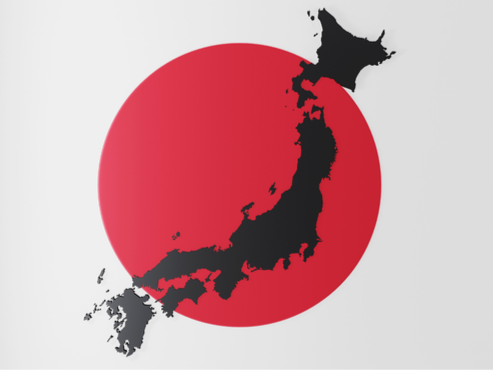
According to a national survey conducted by the Asahi Shimbun on March 14-15, 2026, 82% of Japanese do not support the Israeli-US attack on Iran. 53% of Japanese respondents feel “greatly anxious” about the economic impacts of the ongoing war in Iran, while 37% feel “somewhat anxious”. Only 9% of respondents backed the attack. As a main US ally and dependent, and a country 7,600 - 8,050 kilometres away from Iran, which may appear counterintuitive.

Spin Politics · 14. April 2026
The recent U.S.–Iran talks hosted by Pakistan are being described as a failure. No agreement was reached. The nuclear issue remains unresolved and tensions continue to surround the Strait of Hormuz. The ceasefire is nearing expiry. By conventional standards, this appears to be a diplomatic failure. Such a reading, however, is analytically incomplete.