

Letters from South Asia · 03. November 2025
Südasien erlebt derzeit eine Phase tiefgreifender Regierungsmüdigkeit, auf die die Bürger:innen auf zwei Weisen reagieren: mit Rückzug, erkennbar an wachsender politischer Gleichgültigkeit, und mit Explosion, sichtbar in Ländern wie Nepal, Bangladesch und Sri Lanka, wo es zu rasanten, digital koordinierten Protesten kommt. Auch wenn Indien relativ stabil ist, zeigen sich zunehmend lokale Spannungen - Anzeichen, dass auch das Land Teil dieser regionalen Krise wird.

Letters from South Asia · 03. November 2025
South Asia is currently undergoing governance fatigue, with its citizens reacting in two ways: withdrawal, evidenced by civic disengagement, while explosion sees countries such as Nepal, Bangladesh and Sri Lanka witnessing rapid, digitally coordinated protests. Though relatively stable, India is facing localized tensions from communal violence, ethnic unrest and youth dissatisfaction and hence has begun to show signs of this regional crisis.
English Blogs · 23. September 2025
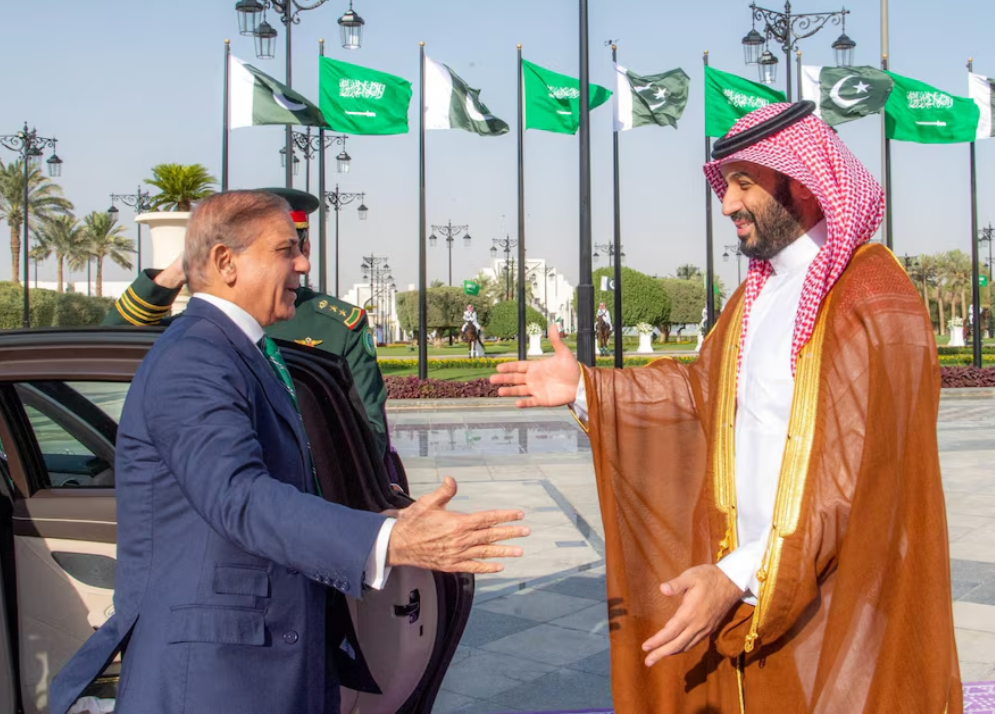
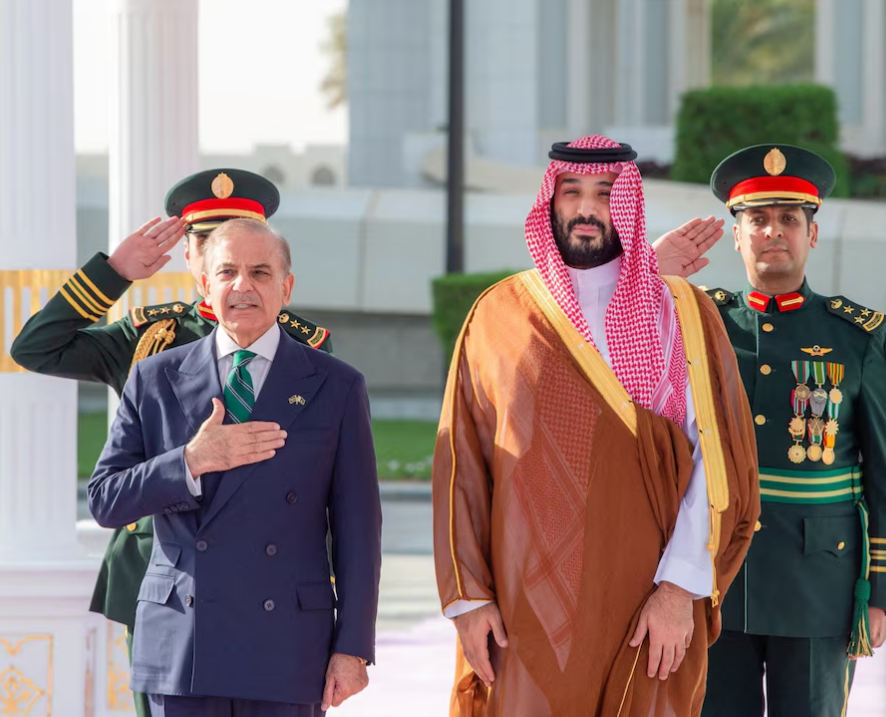
This commentary builds on my earlier analysis of the Pakistan–Saudi Strategic Mutual Defence Agreement (SMDA), which explored how the pact has been framed and why it drew comparisons with NATO. That first piece looked at the language of ‘no exceptions, no limits’ and what it signals. Here, the focus shifts to consequences: what Pakistan stands to gain, the risks it may face, and why Saudi Arabia chose this moment to turn a long-standing partnership into a formal defence alliance.
English Blogs · 23. September 2025
On 17 September 2025, Pakistan and Saudi Arabia signed their Strategic Mutual Defence Agreement (SMDA). The promise was simple but sweeping: any aggression against one will be treated as aggression against both. For two countries that had long cooperated informally on security matters, the formalisation of this partnership marked a striking shift.
The pact immediately stirred debate. What does it actually mean? How binding is it? Can it change the balance of power in the Gulf and South Asia?