
China/Indopazifik · 21. Mai 2026
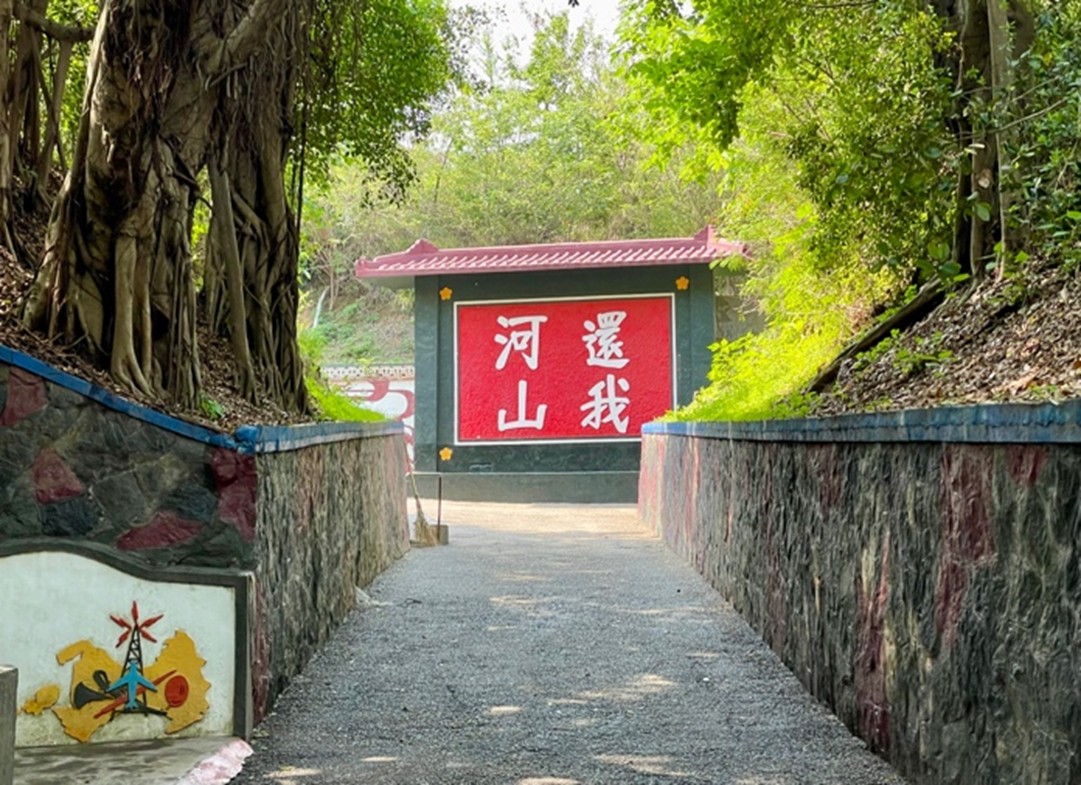
What does it mean to live on a frontline where the Cold War was heard as much as it was seen? From the early 1950s, the Taiwan Strait became a frontline of psychological confrontation, where sound emerged as a powerful medium of cross-strait communication, persuasion, and control. For nearly four decades, broadcasting campaigns between Xiamen and Kinmen produced a sustained sonic confrontation across only a few kilometres of water.
China/Indopazifik · 02. April 2026
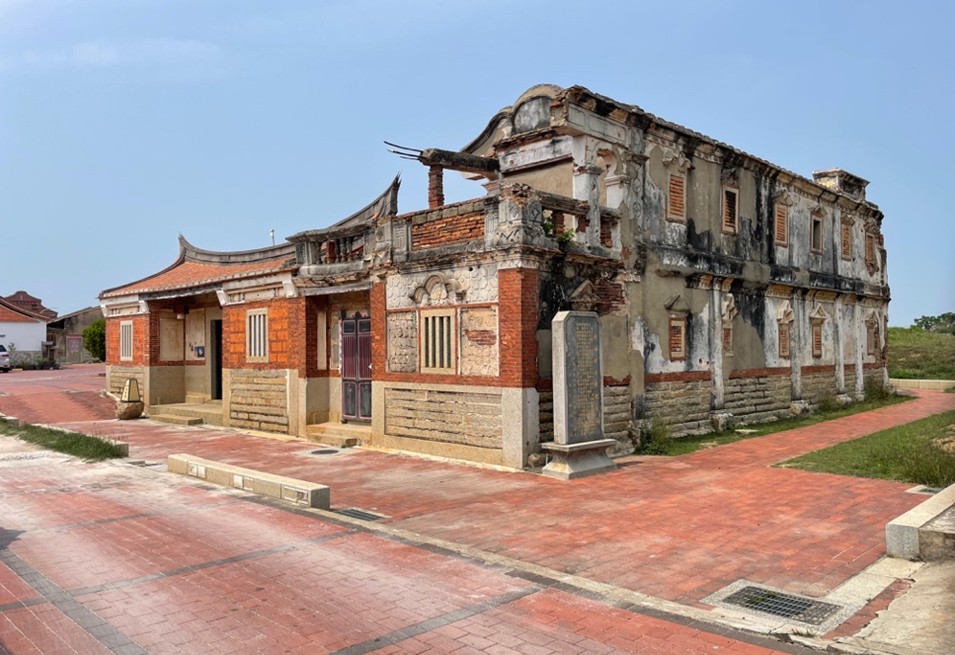
Kinmen was more than a Cold War frontline. It was a place where war shaped everyday life.
This article explores how military tension shaped civilian life over decades and how these experiences remain visible today in both memory and the landscape.
Part 2 of the SIGA blog series on Kinmen.
China/Indopazifik · 02. März 2026
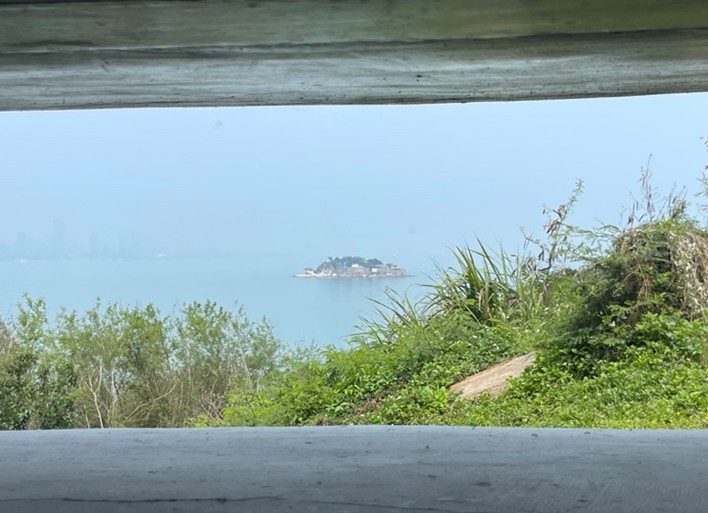
When a legislator from Kinmen 金門 (Quemoy), Chen Yu-jen 陳玉珍, a Kuomintang representative for the island constituency, recently stated, “I am Fujianese; I was never Taiwanese,” the remark quickly became a political controversy in Taiwan, where questions of national identity remain deeply contested (Liberty Times Net 2026; Formosa TV News Network 2026). Yet for many residents of Kinmen, the statement did not sound radical; it sounded familiar.