Geopolitics from below · 18. Juni 2026
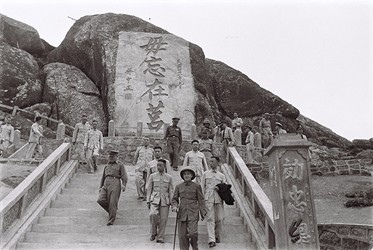
Kinmen’s Cold War is today highly visible in the island’s built and commemorative landscape. The Guningtou Battle Museum, the 823 Artillery Battle Museum, the Hujingtou Battle Museum, former tunnels, military sites, and slogans such as Chiang Kai-shek’s slogan 毋忘在莒 (Wu wang zai Ju), “Do not forget what happened at Ju,” all turn the island’s frontline past into recognisable public memory.
China/Indopazifik · 21. Mai 2026
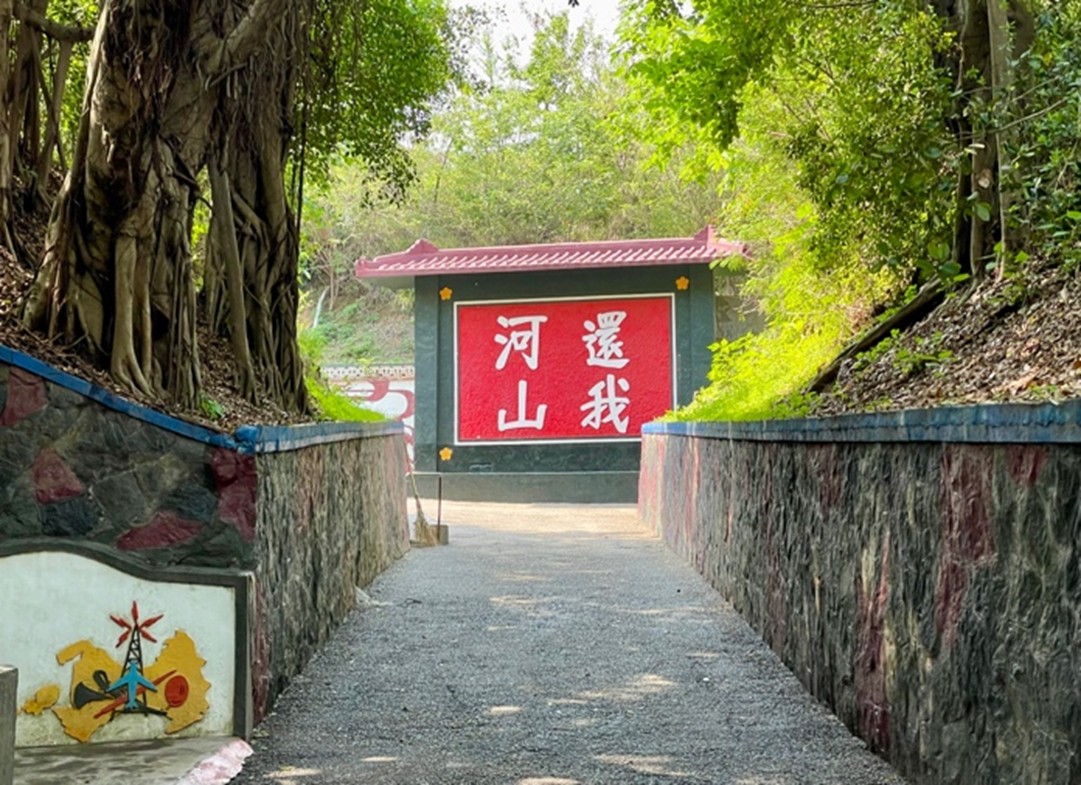
What does it mean to live on a frontline where the Cold War was heard as much as it was seen? From the early 1950s, the Taiwan Strait became a frontline of psychological confrontation, where sound emerged as a powerful medium of cross-strait communication, persuasion, and control. For nearly four decades, broadcasting campaigns between Xiamen and Kinmen produced a sustained sonic confrontation across only a few kilometres of water.

China/Indopazifik · 08. Mai 2026
As Indonesia accelerates its role in the global energy transition, its capital, Jakarta, is sinking by up to 20 centimeters per year. Between $40 billion seawalls and the mirage of a new capital in the jungle, the fate of 42 million people wavers between ecological security and social injustice.
English Blogs · 30. April 2026
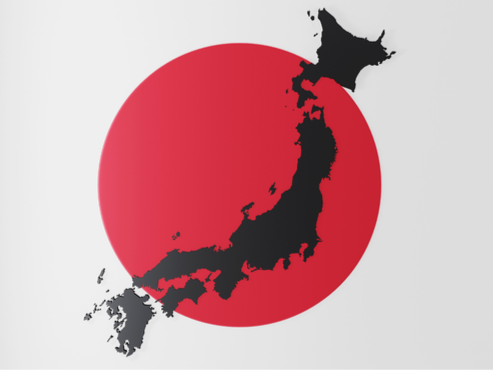
According to a national survey conducted by the Asahi Shimbun on March 14-15, 2026, 82% of Japanese do not support the Israeli-US attack on Iran. 53% of Japanese respondents feel “greatly anxious” about the economic impacts of the ongoing war in Iran, while 37% feel “somewhat anxious”. Only 9% of respondents backed the attack. As a main US ally and dependent, and a country 7,600 - 8,050 kilometres away from Iran, which may appear counterintuitive.
China/Indopazifik · 02. April 2026
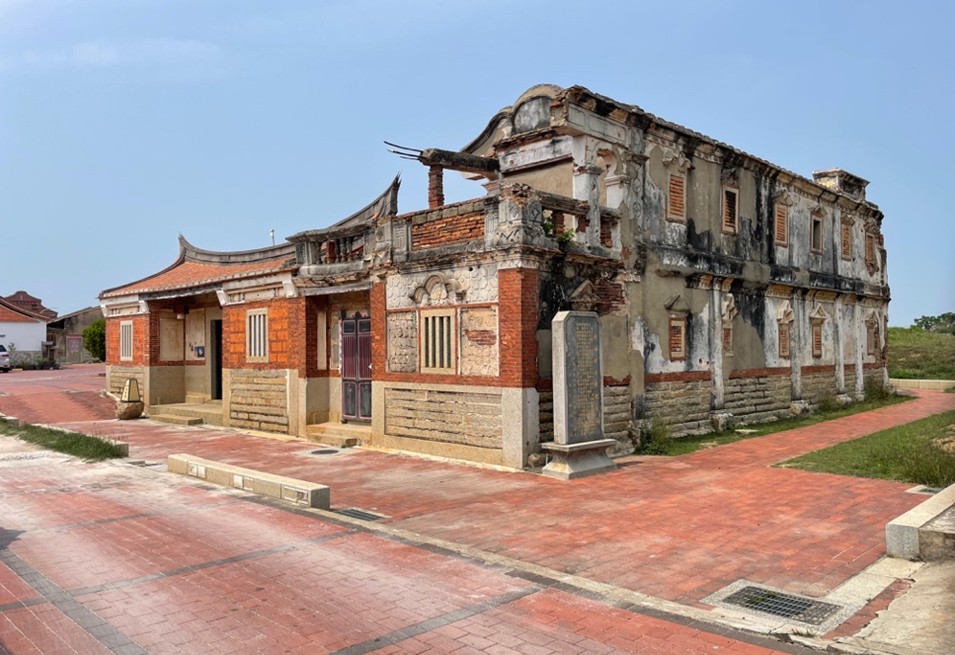
Kinmen was more than a Cold War frontline. It was a place where war shaped everyday life.
This article explores how military tension shaped civilian life over decades and how these experiences remain visible today in both memory and the landscape.
Part 2 of the SIGA blog series on Kinmen.

Letters from South Asia · 02. April 2026
In recent decades, renewable energy has evolved from a purely environmental concern into a strategic instrument governing the new energy order. At the heart of this shift, the International Solar Alliance (ISA), co-founded by India and France in 2015, functions as the primary organization driving this transition by accelerating solar power as one of the most effective solutions to address both climate change and energy security challenges.

China/Indopazifik · 17. März 2026
The Philippines stands today at a historical crossroads that will define its role in Southeast Asia. The country aims to become a strategic economic hub and is preparing to assume the ASEAN chairmanship[1] in 2026. However, its international credibility is heavily clouded by an archaic and violent practice: “Red-Tagging”. This government strategy consists of criminalising inconvenient figures - activists, journalists, unionists, and lawyers - by publicly labelling them as “communists”...
China/Indopazifik · 02. März 2026
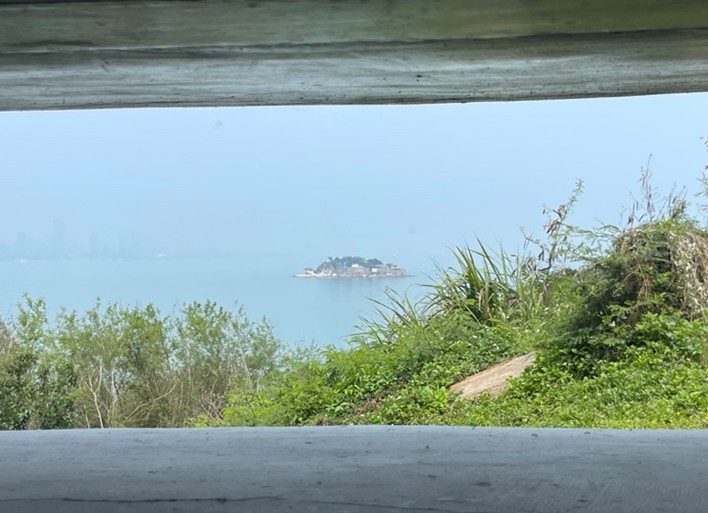
When a legislator from Kinmen 金門 (Quemoy), Chen Yu-jen 陳玉珍, a Kuomintang representative for the island constituency, recently stated, “I am Fujianese; I was never Taiwanese,” the remark quickly became a political controversy in Taiwan, where questions of national identity remain deeply contested (Liberty Times Net 2026; Formosa TV News Network 2026). Yet for many residents of Kinmen, the statement did not sound radical; it sounded familiar.
Letters from South Asia · 25. Februar 2026
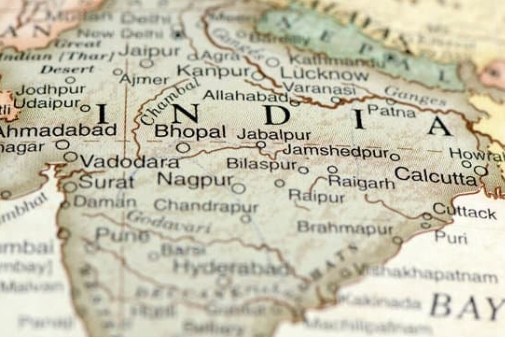
At first glance, the trade agreement between the United States and India announced recently may appear to signal that both countries have resolved their diplomatic dispute. President Donald Trump has touted the move to cut US tariffs on Indian imports and to terminate punitive tariffs tied to India’s oil purchases as a big step toward resetting relations. Although India has welcomed the tariff reductions, the country has emphasized its need to protect its national interests.
Letters from South Asia · 08. September 2025
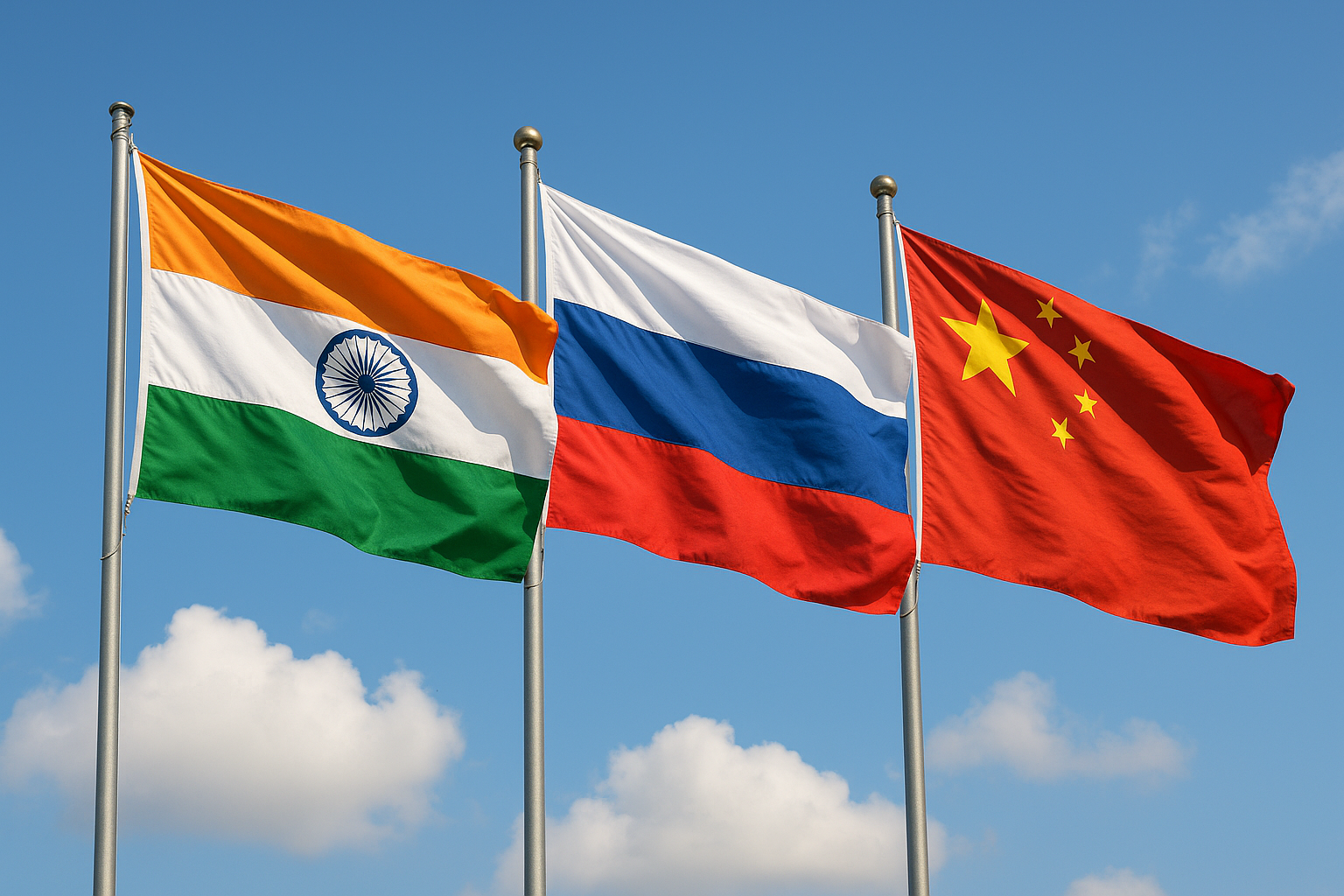
Modi’s attendance at the SCO Summit in Tianjin underlined the boundaries of India’s agency within the U.S.–China–India triangle.